

Key Facts:
- What: When deciding whether the GLP-1 pill or injection is best, patients should always speak with their physician first to determine the appropriate evaluation and individualized recommendation for treatment options. Consider storage, cost, side effects, and scheduling when thinking about the GLP-1 pill or shot.
- Where: The Center For Weight Management at Stamford Health provides consultations for weight and metabolic concerns and weight management treatment options, including GLP-1 medications.
- Why it matters: The most effective medication is the ones that a patient will remember to take regularly, reliably, and tolerate well, long-term. GLP-1s, in both pill and injection form, are long-term medications that treat chronic conditions such as excess weight, Type 2 diabetes, obstructive sleep apnea, metabolic liver disease, and cardiovascular disease.
By Maria Cecilia Asnis, MD
Although GLP-1 injection medications have been around for over two decades, the introduction of oral GLP-1 pill options (Wegovy and Foundayo) recently has sparked discussions between patients and doctors.
Whether your goal is weight loss, diabetes prevention or treatment, sleep apnea, or heart health, the decision to take the medicine in a pill form or an injection is highly individualized. However, there are key differences between the two. Storage, cost, side effects, and personal preference will all play a factor in making the right choice for you.
Which is better: the pill or injection?
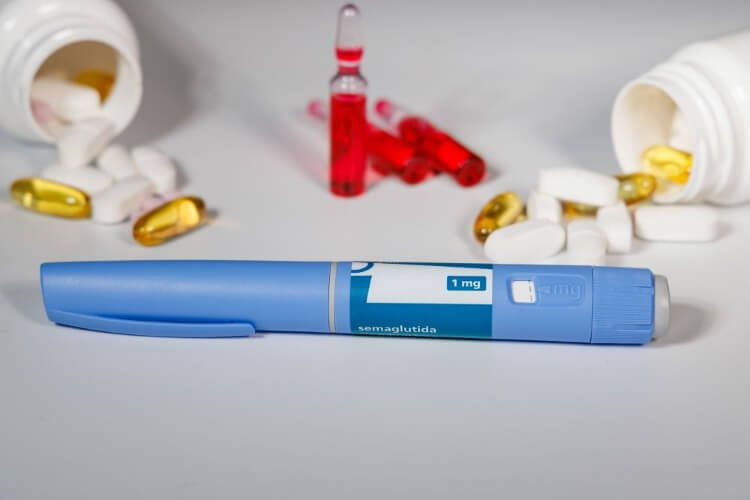
When discussing the options with your physician, consider your own goals and tolerance. Personal preferences dictate which is best for you and your medical weight-loss journey.Patients who don’t like the idea of giving themselves an injection may prefer the pill. While those who like the flexibility of a weekly dose versus a daily one may prefer injectable GLP-1 medication such as semaglutide (Wegovy) and tirzepatide (Zepbound and Mounjaro).
No matter which option you choose, it’s important to remember that obesity is a chronic condition and these medications are meant to be used regularly and for life.
Comparing the effectiveness of the pill versus the injection
The highest doses of the oral medication can be as effective as the injections. The average total body weight loss for the pill is 13% while the average for the injection is 15%.Both the GLP-1 pill and injection offer similar reduction in weight, glucose, blood pressure, cholesterol, inflammation, and cardiovascular risk.
Side effects of the pill and injection
When comparing side effects of the GLP-1 pill versus the injection, they are quite similar. Patients for each have reported gastrointestinal disruption including nausea, constipation or diarrhea, heartburn, bloating, and indigestion.Yes, these can be uncomfortable, but before discontinuing the medication, discuss any issues with your physician. The benefits of the GLP-1s are significant, and there are options to help with some of these side effects.
However, some people cannot tolerate GLP-1 medications and should not continue. It’s important to tell your doctor so that they can review other options.
Storing the pills and injections
Another consideration for whether the pill or injection is right for you is how you store the medication. The pill is shelf-stable so patients can place it safely in their medicine cabinet, while the injections need refrigeration.How often do you take the medicine?
How often you take your GLP-1 depends on whether you have an injectable or a pill. The injection is usually taken weekly and administered in the abdomen, thigh, or upper arm.The pills are taken daily. Novo Nordisk’s Wegovy pill must be taken 30 minutes before food or water, and other medications like Lily’s Foundayo pill can be taken at any point in the day, with or without food or water.
How much do they cost?
Most pharmacies, including our Stamford Health Pharmacy, carry both options of the GLP-1. Financial coverage for the pills (Wegovy pill and Foundayo) differs significantly between plans, though manufacturer savings programs might lower monthly co-payments down to $25. Out-of-pocket costs typically fall between $149 and $299 each month based on dosage strength.Injectable options (Wegovy injection and Zepbound) run from $199 to $499 monthly depending on the brand and regimen..
If you’re interested in weight management and your metabolic health, please contact the Center For Weight Management at Stamford Health for a consultation.
Featured Expert/ Author