
By Jenni Jean-Francois
Being in the emergency room can be overwhelming, even more so for our older patients.
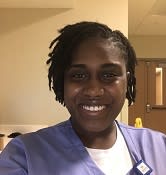
At Stamford Health, our geriatric patients who come to the Emergency Department can rely on dedicated nurses like Jenny who are part of the Geriatric Emergency Medicine Initiative (GEMI) program. GEMI brings together a skilled team of geriatric liaisons who are registered nurses trained in meeting the needs of older adults and their caregivers.
A few years ago, my grandmother passed. I realized that her care could have been handled more smoothly when she moved from the hospital to hospice care.
I wanted to give our patients and their caregivers the knowledge they need as early as possible. Medicine nowadays can be very fast-paced. Because I’m able to focus solely on our geriatric patients, I can dedicate my time to helping them better understand and navigate the world of healthcare.
That team may include pharmacy, social work and case management, physical therapy, the patient's primary care doctors as well as other members of their care team.
I appreciate the opportunity to work in conjunction with the patient’s bedside nurse, caregiver, and the ED physician.
The program has benefitted all types of geriatric patients in all stages of their journey.
Being in the emergency room can be overwhelming, even more so for our older patients.
At Stamford Health, our geriatric patients who come to the Emergency Department can rely on dedicated nurses like Jenny who are part of the Geriatric Emergency Medicine Initiative (GEMI) program. GEMI brings together a skilled team of geriatric liaisons who are registered nurses trained in meeting the needs of older adults and their caregivers.
Q: Tell us about yourself. What inspired you to work with the geriatric population?
A: I have been practicing as a registered nurse for over five years. Throughout my years practicing, I realized how much I was advocating for my patients and their families and also how much I didn’t know in regard to resources available and how to really help them.A few years ago, my grandmother passed. I realized that her care could have been handled more smoothly when she moved from the hospital to hospice care.
I wanted to give our patients and their caregivers the knowledge they need as early as possible. Medicine nowadays can be very fast-paced. Because I’m able to focus solely on our geriatric patients, I can dedicate my time to helping them better understand and navigate the world of healthcare.
Q: What is the most rewarding part of being a GEMI nurse?
A: The biggest advantage of my job is serving as a resource for caregivers and patients themselves. I love interacting with patients throughout the day and assessing their needs and wants. The team approach to the GEMI program makes it truly unique in the world of coordinated patient care.That team may include pharmacy, social work and case management, physical therapy, the patient's primary care doctors as well as other members of their care team.
I appreciate the opportunity to work in conjunction with the patient’s bedside nurse, caregiver, and the ED physician.
Q: How have you seen the GEMI program directly benefit some of our patients? Does any particular experience stand out to you?
A: I have seen it benefit countless patients. For some, it’s as simple as being present while the family is en route. For others, it’s foreseeing their needs and getting a jump-start on their care in order to limit the time spent in the Emergency Department. One story comes to mind: a family requested to have their father comfortable and at home during his final days. The GEMI team was able to get the Palliative Care professionals to the Emergency Department and have them assist the ED doctor in getting the patient safely out of the hospital and back home. When I spoke to the daughter a few days later, the family was very grateful that we were able to fulfill their wishes. Their father passed, but he did so the way he wanted. This is what we all want for our loved ones.The program has benefitted all types of geriatric patients in all stages of their journey.